As someone who loves connecting with people and learning their perspectives on just about everything (aka, a yapper), I’ve spent the last few months asking professionals in the music industry what they think about artificial intelligence.
I’ve connected with everyone from high-powered music execs whose names you’d recognize to startup founders and people working directly with artists. Some are excited about the technology and believe it’s the natural next step in music’s evolution, while others have serious questions about the business models, the rights of musicians, and whether companies like Suno will live up to their enormous valuations.
Naturally, I had to try Suno myself. And initially, it felt a little... icky.
The problem with making things too easy
I’m classically trained in music, so I’m familiar with the hours of practice, frustration, and repetition required to get something right. With Suno, I typed a few instructions into a box and received an entire song, complete with vocals, instruments, and production, in minutes. I was impressed, but I didn’t feel like I’d actually made anything. There wasn’t enough friction.
We’ve spent centuries inventing technology to make our lives easier, and here I was complaining that making music had become too easy. Apparently, I want all the convenience of technology while retaining the satisfaction of having worked really hard. Very reasonable of me.
However, I kept experimenting, and somewhere along the way, I fell in love. I realized I could create music that reflected exactly how I was feeling at any given moment. Happy? There’s a song for that. Heartbroken? There’s a song for that too. Feeling particularly delusional about how extraordinary my life is about to become? I can create an entire soundtrack (mixtape dropping soon?).
I’ve spent my whole life finding pieces of myself in music other people created. Now I can make something that starts with my own experiences and sounds exactly how I want it to. It is admittedly a little self-serving, but beautiful all the same.
We have a peculiar relationship with authenticity
Imagine hearing the most beautiful song you’ve heard all year. You listen to it repeatedly, send it to your friends, and become obsessed with the artist. Then you discover the artist doesn’t exist. The song was generated by artificial intelligence. Would you still love it?
I recently came across a 2025 study from Deezer and Ipsos that made me think about this. They played a mixture of human-made and AI-generated music for 9,000 people across eight countries, and 97% couldn’t correctly distinguish all the tracks. More than half were uncomfortable with that realization. (I bet!)
I understand their discomfort, but I also find it amusing that we can enjoy something perfectly well until someone tells us how it was made. (Never find out what’s in chicken nuggets.)
I suppose knowing something about an artist and feeling like we have some special connection to their work changes how we experience the music, even when the music itself stays the same.
A room full of people who make music
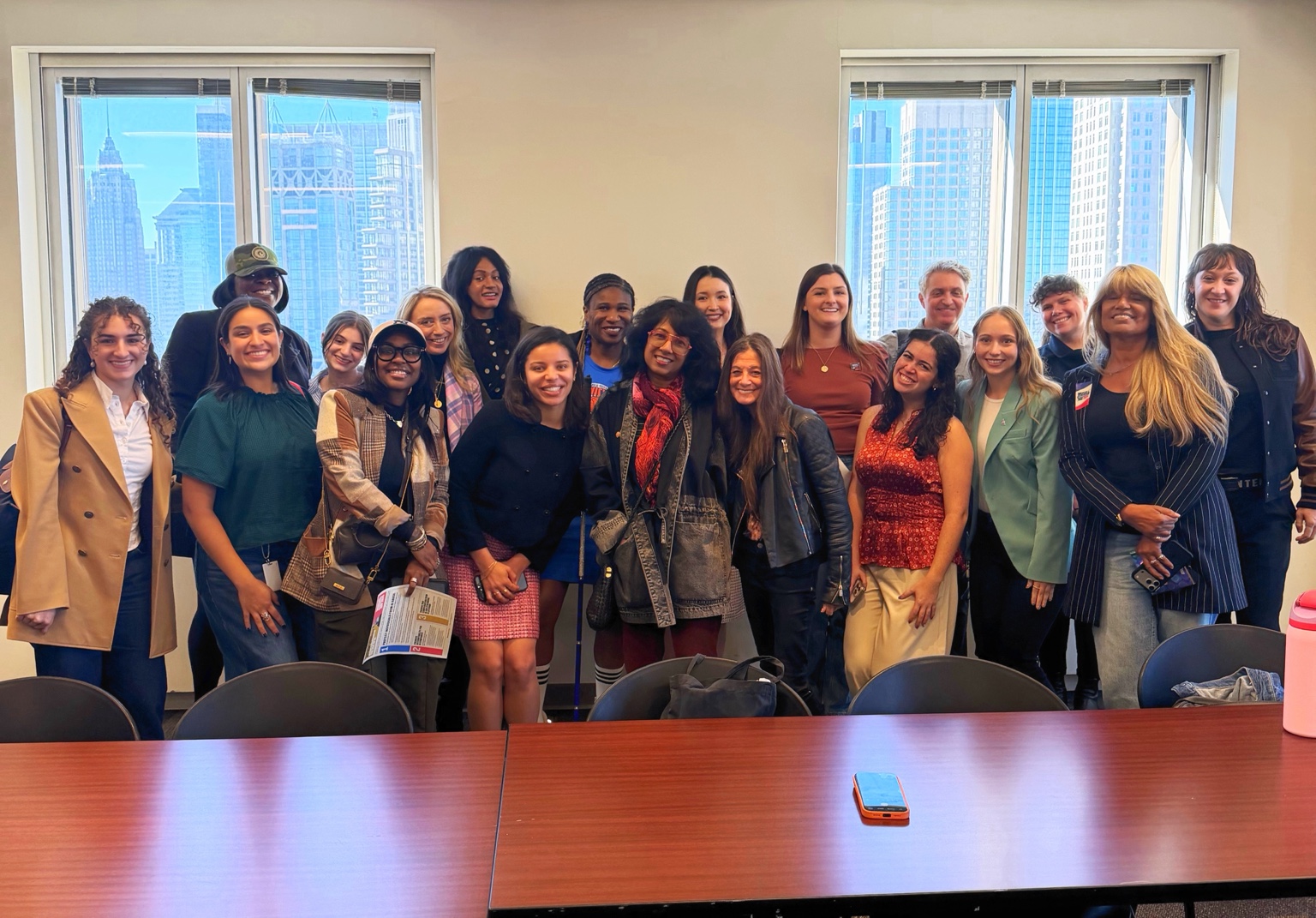
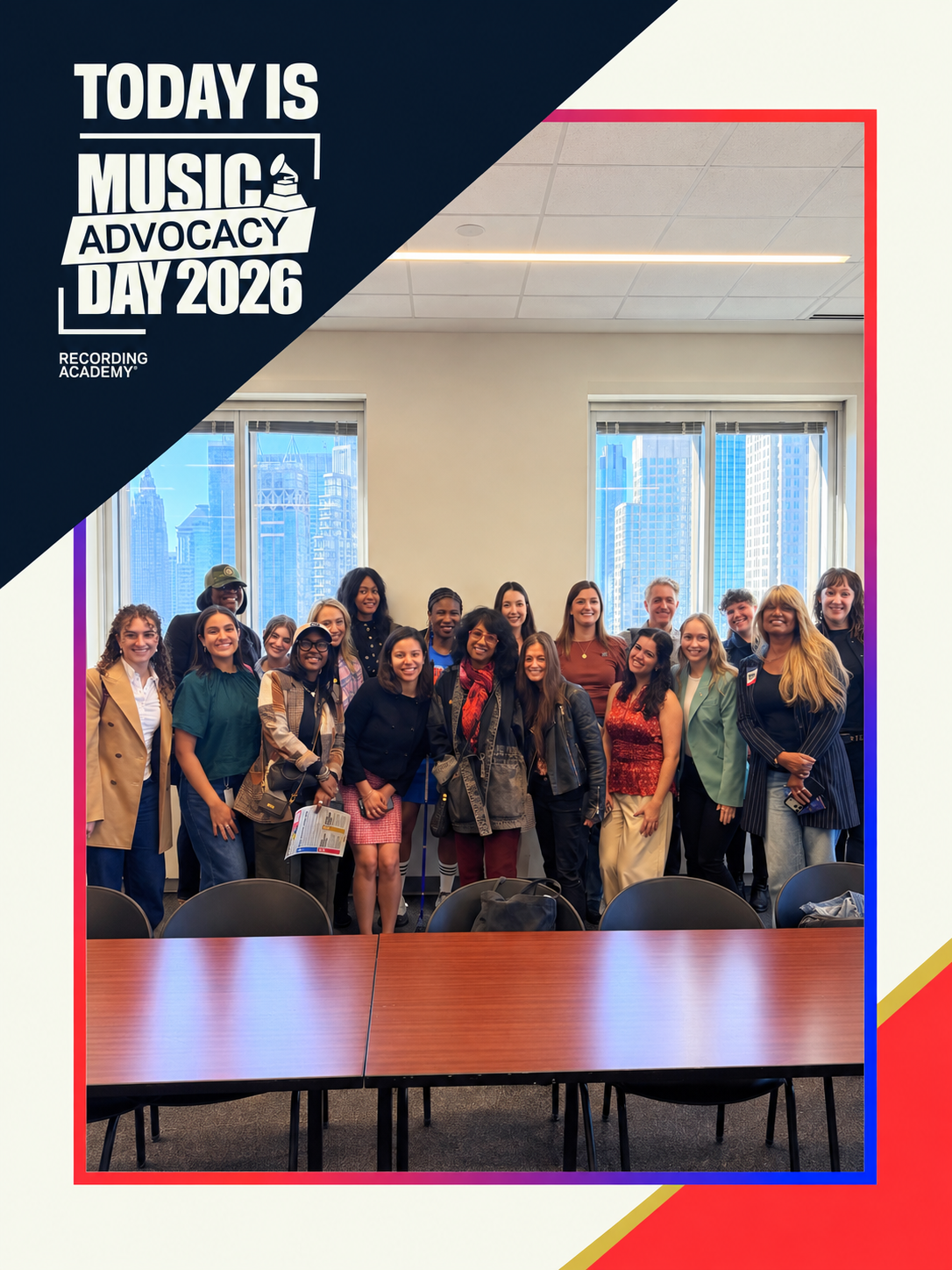
Today, I participated in the Recording Academy’s Music Advocacy Day and had the opportunity to meet with Congressman Dan Goldman’s team alongside fellow Academy members. I was genuinely moved by the passion in the room. Listening to artists and music professionals speak about their careers, their concerns, and the future of their industry gave me a lot to think about. We discussed three bills.
(1) The NO FAKES Act addresses unauthorized AI-generated replicas of people’s voices and likenesses. (2) The TRAIN Act would give copyright owners a way to investigate whether their work was used to train AI models. And (3) the Protect Working Musicians Act would help independent musicians negotiate collectively with major streaming and AI companies.
I thought about the years artists spend developing their sound and how easily AI can now imitate it. I also thought about how much I’d enjoyed making my own songs on Suno. I want to see both innovation and artists’ rights protected, and I’m curious to see how the industry figures that out.
We’ve been here before
I grew up during the glorious era of Napster, LimeWire, and BearShare, when getting your favorite songs for free was practically a competitive sport. I spent an unreasonable amount of time illegally downloading music, meticulously organizing playlists on my MP3 player (finding the album covers and all), and inadvertently downloading enough viruses to compromise the family desktop computer on multiple occasions.
Today? I’m an avid Spotify user who happily pays for the convenience of having millions of songs at my fingertips. Quite the transformation.
I remember how much controversy surrounded music piracy. Record labels sued file-sharing services, artists worried about lost income, and consumers continued downloading music anyway. Eventually, legal streaming services offered people a much more convenient way to listen. The industry adapted, although questions about how much artists earn from streaming remain.
Now, we’re watching a similar negotiation unfold. Universal Music Group has reached an agreement with Udio, Warner Music Group has partnered with Suno, and Sony Music Entertainment continues challenging unauthorized uses of its recordings. After seeing how streaming transformed music consumption, I’m curious how AI will transform its creation.
Talent has never been the problem
I spent six years teaching in Brooklyn public schools, and one thing that experience taught me is how much potential goes undiscovered when children don’t have access to the right resources. Some kids grow up with instruments at home, private lessons, and parents who know people in the industry, while others might have just as much ability but never get the opportunity to find out. And anyone familiar with the music business knows that talent alone has never guaranteed success.
Now, all someone needs is a smartphone, an idea, and an internet connection to start experimenting with music. A teenager in Omaha can make songs without ever setting foot in a recording studio, and a songwriter in Johannesburg can finally hear the melody they’ve been imagining for years. I wonder how many extraordinary musicians we’ve never heard of simply because they didn’t have the resources to pursue their interests.
Of course, having access to Suno doesn’t automatically make someone a talented musician, and creating a song doesn’t guarantee anyone will listen to it. However, I keep thinking about the students I taught and all the things they might have pursued if resources and accessibility were never an obstacle.
There is so much talent we haven’t discovered yet, and I’m excited about the possibility that more people will get to expand their capabilities.